



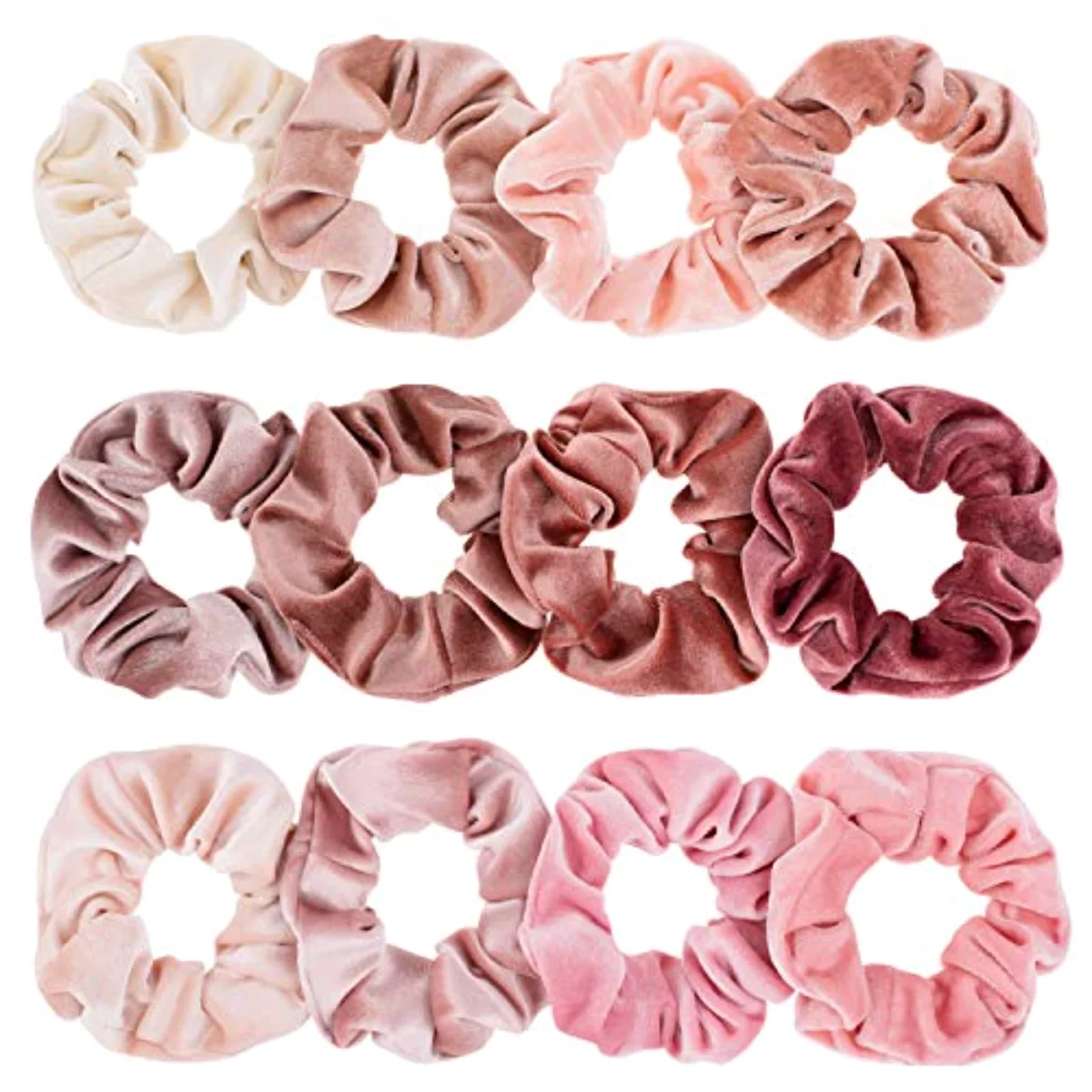
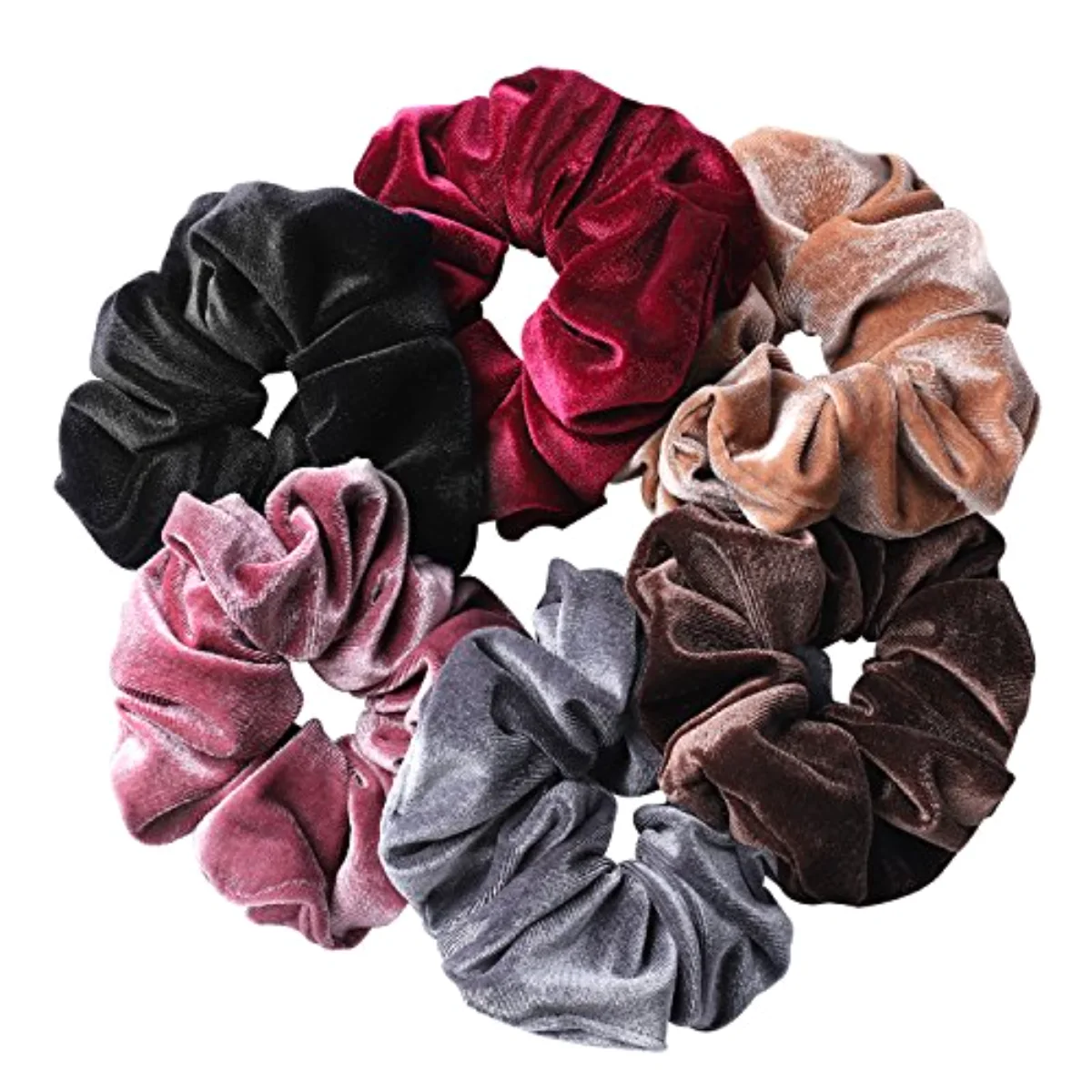
12Pcs Blush Theme Scrunchies Velvet Elastics for Women Pink Bobbles Soft
★★★★★ 4.8 · 21,427
$7.88
updated 2026-09-14
View →
Whaline makes the bright half of the household: classroom borders and bulletin sets, Christmas window clings, birthday tableware, baby-shower backdrops, greeting cards by the two-dozen and the craft paper that turns a kitchen table into a workshop. Over a thousand products, sorted here the way people actually shop: by the occasion in front of them.
Ten shelves cover the whole range. Under them sit the working parts of this site: two calculators that do party arithmetic, a seasonal calendar with honest lead times, and the guides that answer what the packaging never says.

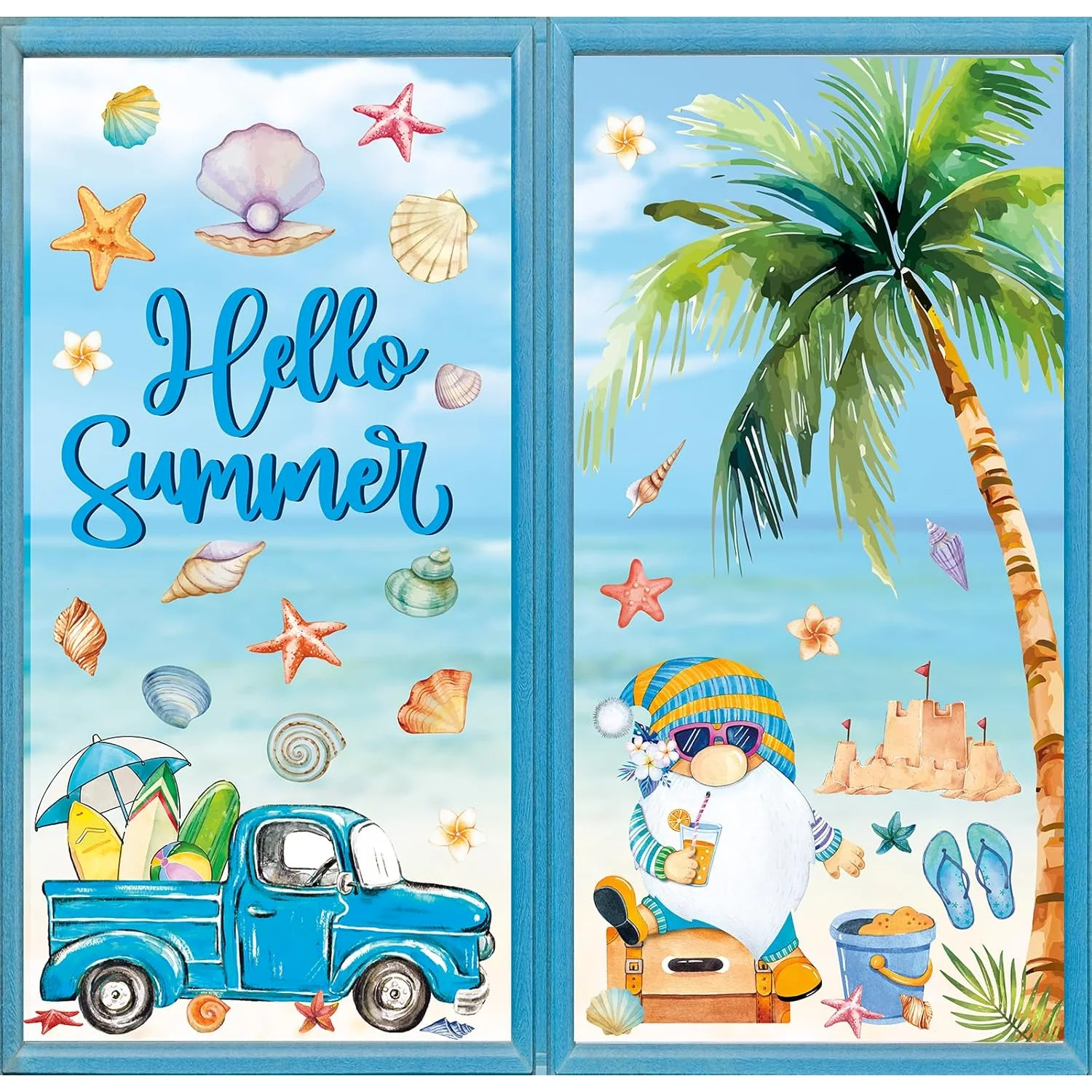


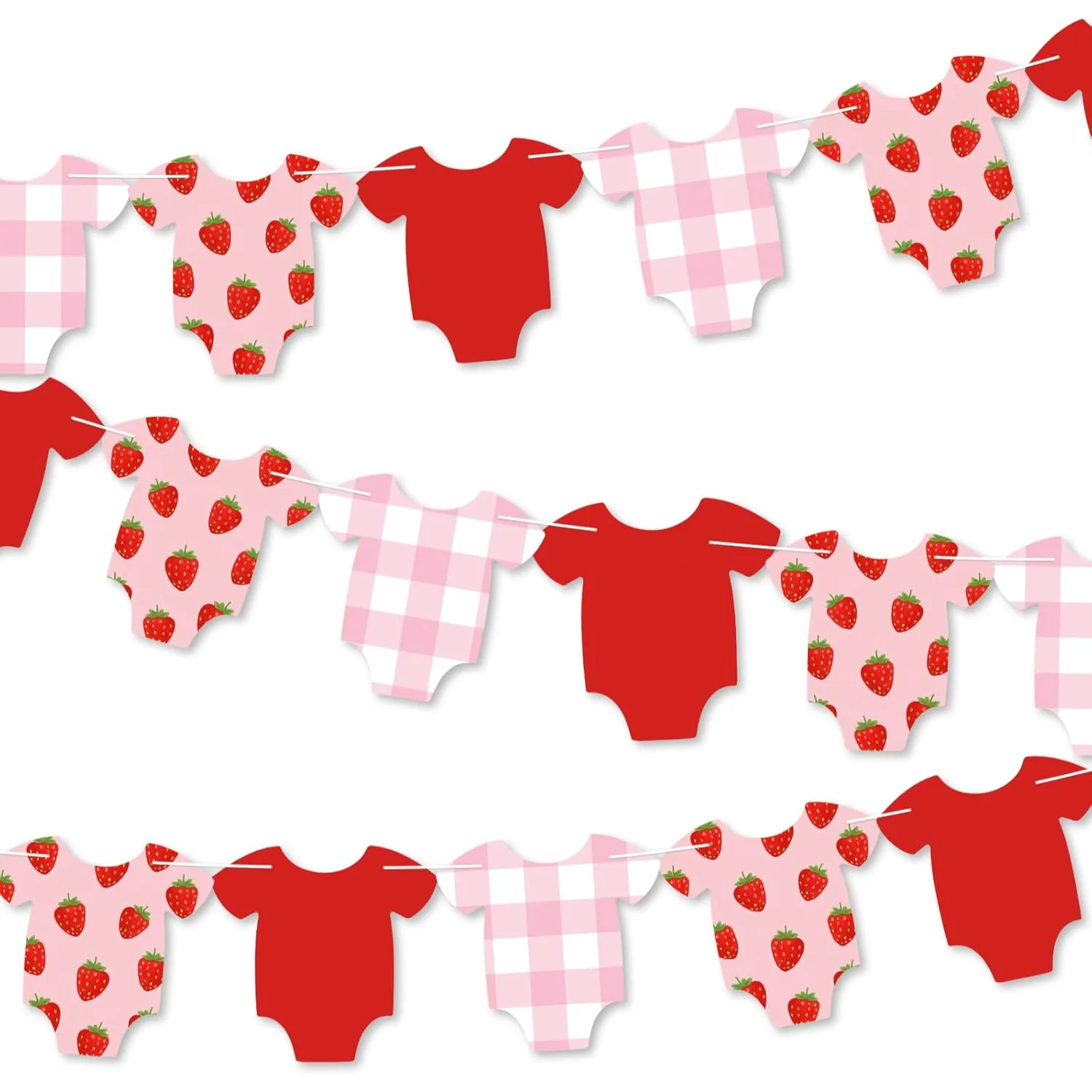
The whole catalogue, sorted the way the year actually happens.
One per review family, deepest history first. Ratings are re-read in batches across a catalogue this size, so a product without stars is one whose batch has not come round yet, not one without customers.


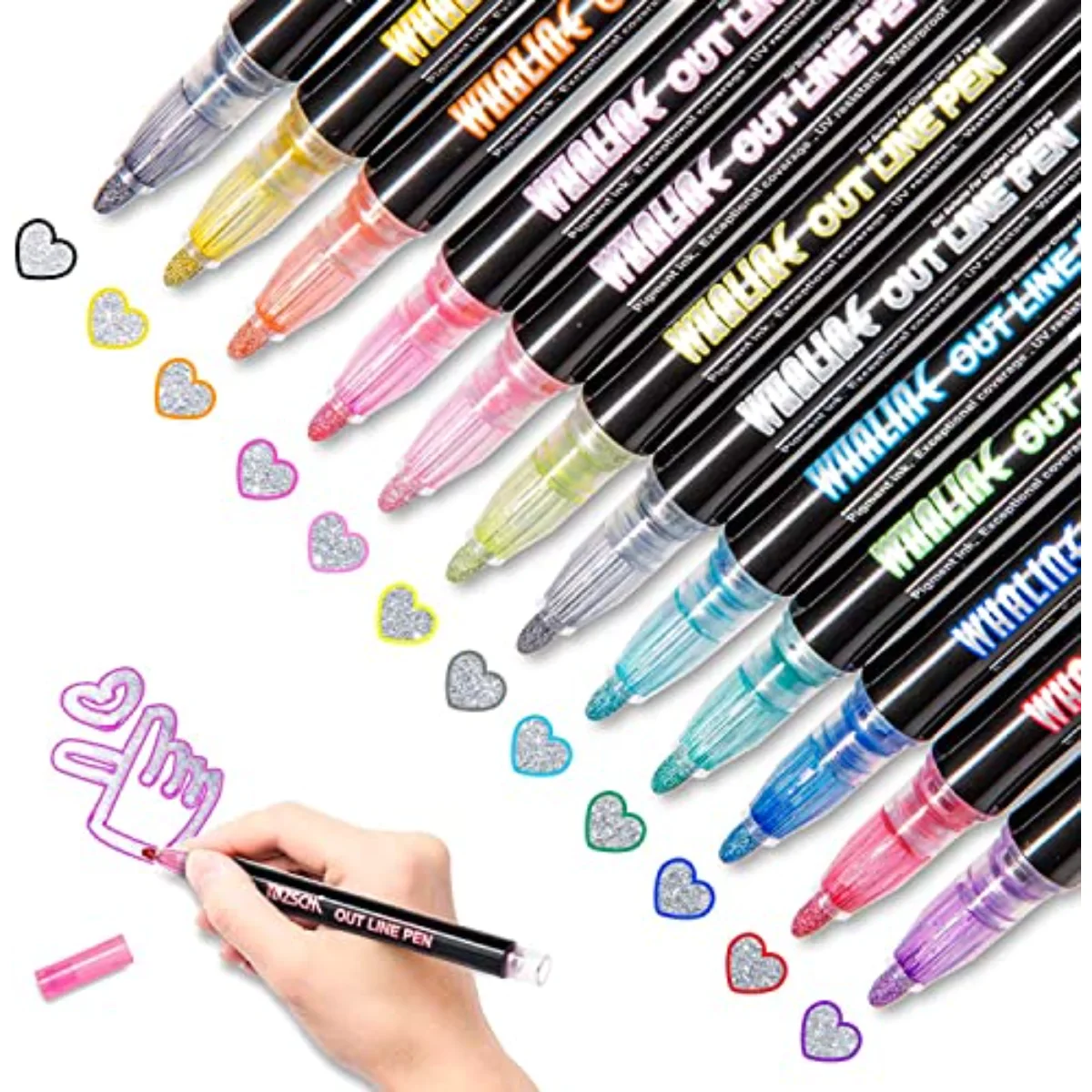


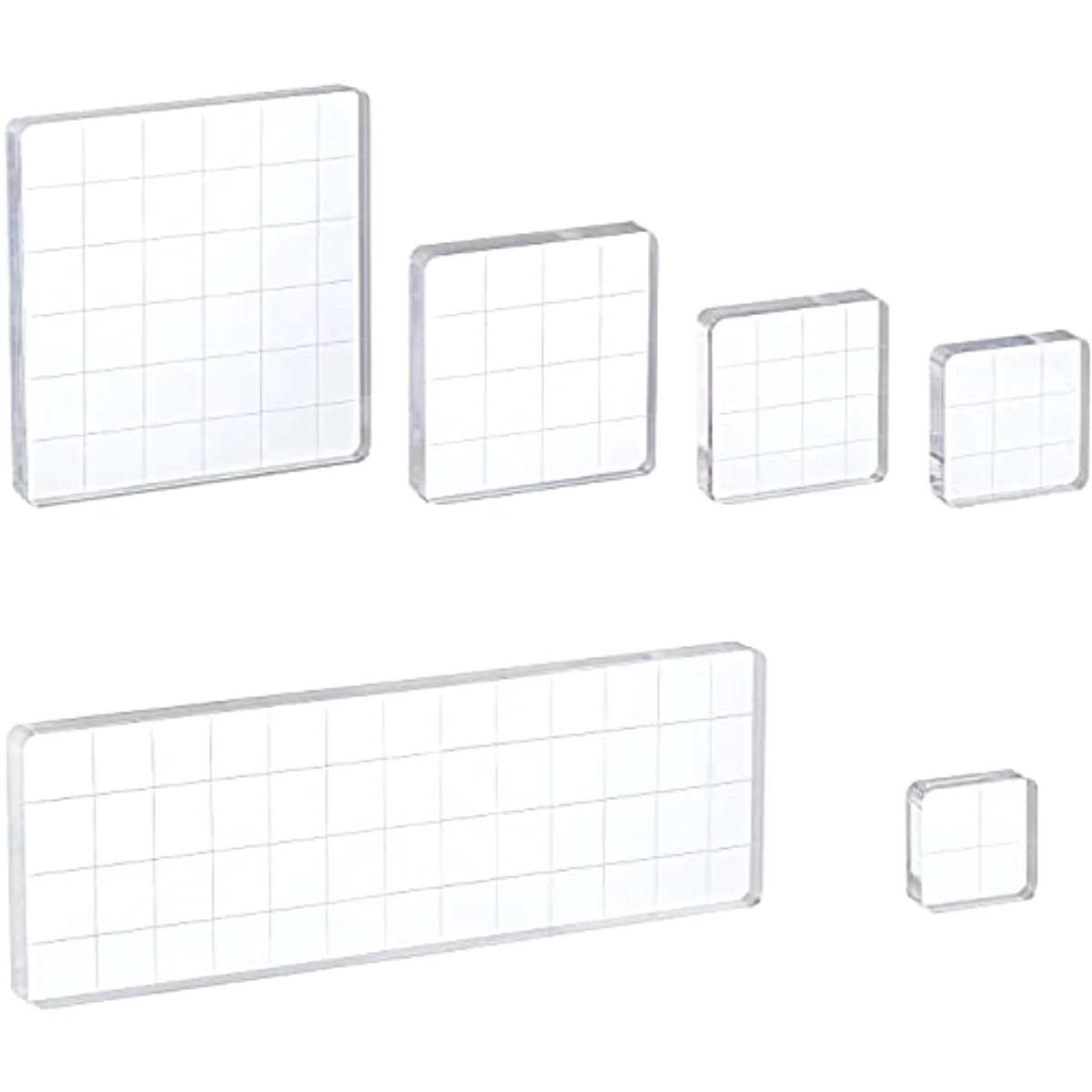
Prices are the figures from our last update and they move between updates.

Guests in, shopping list out. The calculator works in packs we actually sell, with the honest spare margins instead of optimistic ones.
The counts people get wrong are always the same three. Napkins run at two and a half per guest for a meal with cake, because the cake round is a second napkin and someone always drops one. Plates run at two per guest when there is both food and dessert, one and a half for nibbles-only. Cups run at one and a half per guest for a two-hour party, because cups get put down and forgotten and their owners take fresh ones.
Banners and garlands are counted in walls, not guests: one banner per focal wall, one garland per doorway or mantel, and a photo backdrop only needs covering to the shoulders of the tallest person likely to stand in front of it.
The classroom question our range gets asked most, with a calculator that answers in rolls rather than in feet.
The arithmetic is a perimeter plus waste: corners cost a few inches each in overlap, scalloped borders lose a repeat at every join if you want the pattern continuous, and a double-layered look, which is most of what teachers pin up now, doubles the whole figure.
A standard 4 by 6 foot board is twenty feet of perimeter, which is one 50-foot roll with enough left for the smaller board by the door, or two-thirds of a roll double-layered. Trim borders that come in 36-foot packs of straight strips join more forgivingly than continuous rolls, and the calculator knows the difference.
Three different adhesives ship across this catalogue, and putting the wrong one on the wrong surface is how paint comes off and glass gets scraped.
Static window clings carry no adhesive at all: they hold by contact on glass and other glossy, non-porous surfaces, come off clean and go back up next year from the sheet they came on. They will not hold on painted walls, wood or anything textured.
Removable-adhesive decals are pressure-sensitive stickers tuned to let go: right for painted walls, doors and furniture, provided the paint is sound and the surface is clean. The honest caveat is that removable means removable from sound paint, not from flaking paint, fresh paint under thirty days old, or wallpaper.
Permanent stickers, the packs sold for scrapbooks, envelopes and crafts, are not wall decor, and putting them on painted surfaces is a repainting decision. On paper, card and sealed surfaces they are the ones that do not curl at the edges by spring.
When each shelf goes up, when it comes down, and when to order so the box beats the date.
The pattern behind the table: a season needs its decorations roughly three weeks before its date, both because the anticipation is most of the pleasure and because a box that arrives on the 23rd of December decorates nothing. Our own restocking follows the same calendar: the Christmas shelf is deepest in November and thinnest in January.
| Season | Up | Down | Order by |
|---|---|---|---|
| Back to school | Two weeks before term | It stays: refresh mid-year | Late July |
| Halloween | First week of October | November 1st, ruthlessly | Mid September |
| Thanksgiving & autumn | The day Halloween comes down | The weekend after Thanksgiving | Mid October |
| Christmas & winter | After Thanksgiving | Twelfth Night, or when you stop enjoying it | Mid November |
| Valentine’s | February 1st | February 15th | Mid January |
| St Patrick’s & spring | March 1st | Rolls into Easter | Mid February |
| Easter | Two weeks before | The Monday after | A month before Easter |
| Summer & 4th of July | Memorial Day | Labor Day | Early May |
Order-by dates assume ordinary delivery with a week of slack. The expensive mistake is not the decoration, it is the rush shipping on the decoration.
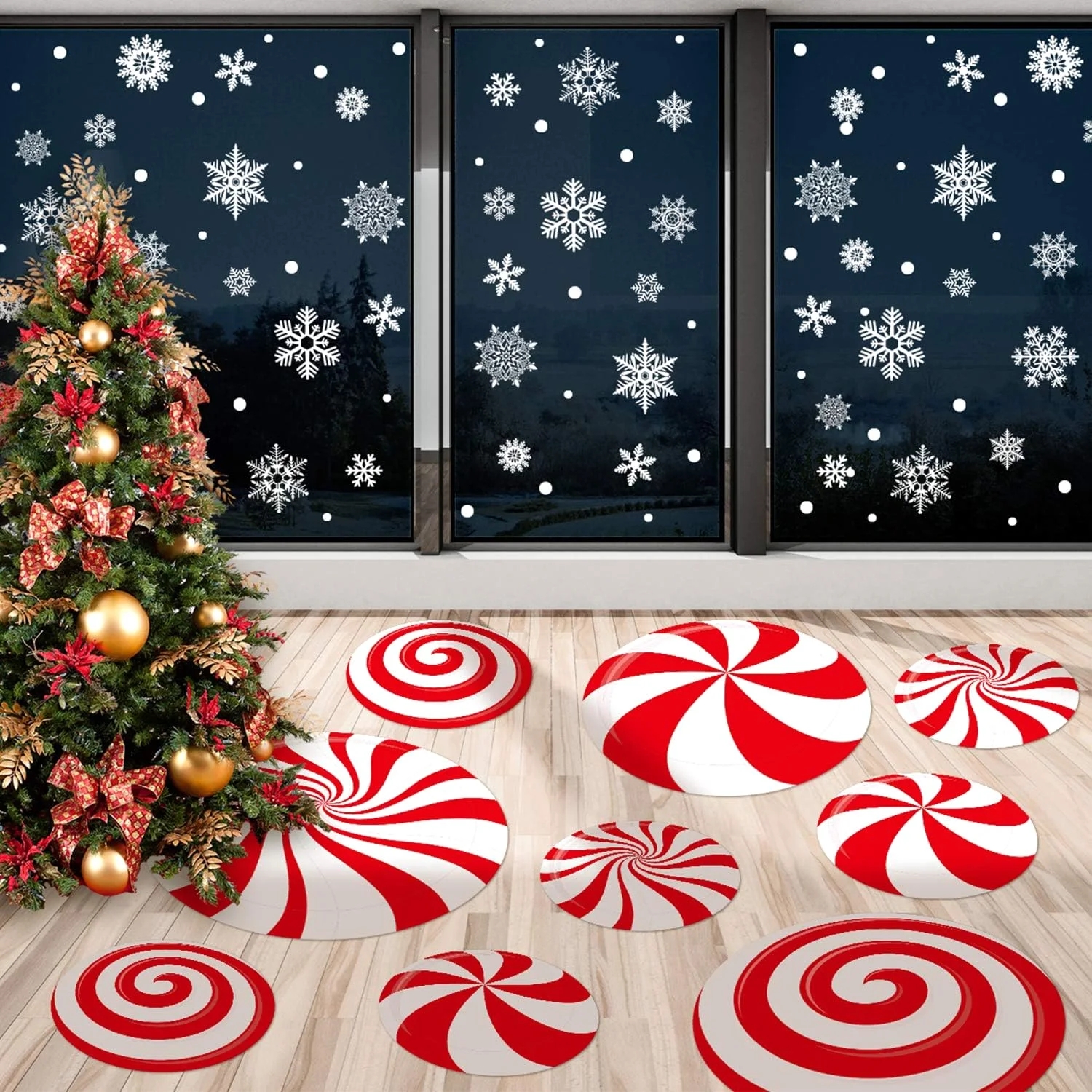
For renters, teachers and anyone else who answers to somebody for the state of the walls.
The rule that prevents most damage is about angle and speed: peel slowly, low and flat, back along the surface rather than straight out from it. Straight out concentrates the pull on a coin of paint; flat and slow spreads it along the line where the adhesive is already letting go.
Residue that stays behind is wax and polymer, not stain: warm it with a hairdryer for a few seconds and it wipes off with a dry cloth, and what resists that comes away with a drop of cooking oil worked in and then washed off. On glass, a plastic card scrapes clean what fingers cannot; metal blades scratch more glass than they clean.
Tape and tack choices matter more than removal technique. Painter's tape and the putty sold as poster tack both release from sound paint; clear packing tape and permanent foam pads do not, whatever the label hints. A classroom that redecorates six times a year is a painter's tape building.
The range runs from origami paper to 300 gsm cardstock, and the numbers on the packs are in three different systems. Here is the one table that joins them.
A printer jam on cardstock is almost never the printer's fault: the manual states a maximum weight, the rear feed takes heavier sheets than the cassette because the path is straighter, and glitter or foiled surfaces do not belong in any printer at all. Print first, then decorate, is the order that survives.
| Weight | Feels like | Home printer? | Good for |
|---|---|---|---|
| 70–90 gsm | Copy paper | Yes | Letters, patterns, origami practice |
| 100–135 gsm | Flyer, poster paper | Yes | Posters, wrapping, paper chains |
| 160–200 gsm | Light card, museum flyer | Most, one sheet at a time | Greeting cards, tags, bunting |
| 220–260 gsm | Postcard | Check the manual first | Place cards, invitations, toppers |
| 280–350 gsm | Business card | Usually not | Cake toppers, structural crafts |
One conversion worth memorising: 65 lb cover stock is about 176 gsm, and most home printers give up somewhere just above it.
Half of seasonal spending is replacing what the attic ruined. Most of it is preventable with the packaging the things arrived in.
Window clings live on their backing sheets, flat, out of the sun: rolled or folded they crease into lines that never hang flush again, and stored face to face they fuse into one regrettable cling by August. Paper decor wants rigid boxes, not bags, because a bag protects from dust and nothing else.
Banners and garlands come down with their string wound around a scrap of cardboard, the same way they arrived in the pack; loose in a box they braid themselves. Adhesive products keep their stick longest somewhere cool: a garage that hits attic temperatures in July is where sticker packs go to weld themselves to their own backing.
Label the box by holiday and by room. The label costs a minute in January and returns it every October when the pumpkin clings are not hiding inside the Easter box.
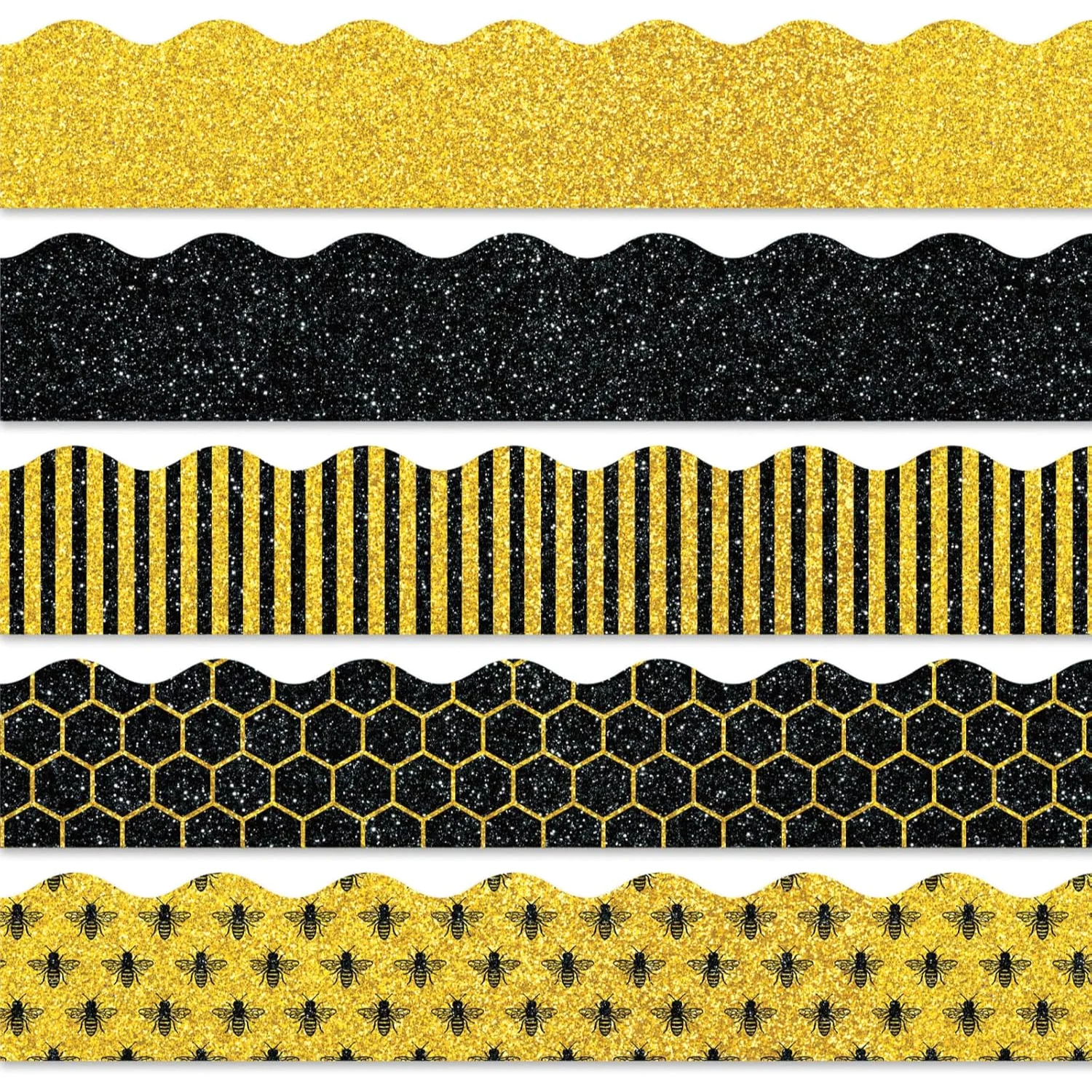
Our own product photography, one frame per corner of the catalogue. No slogans printed on the pixels: the panels with text baked in stay off this site.

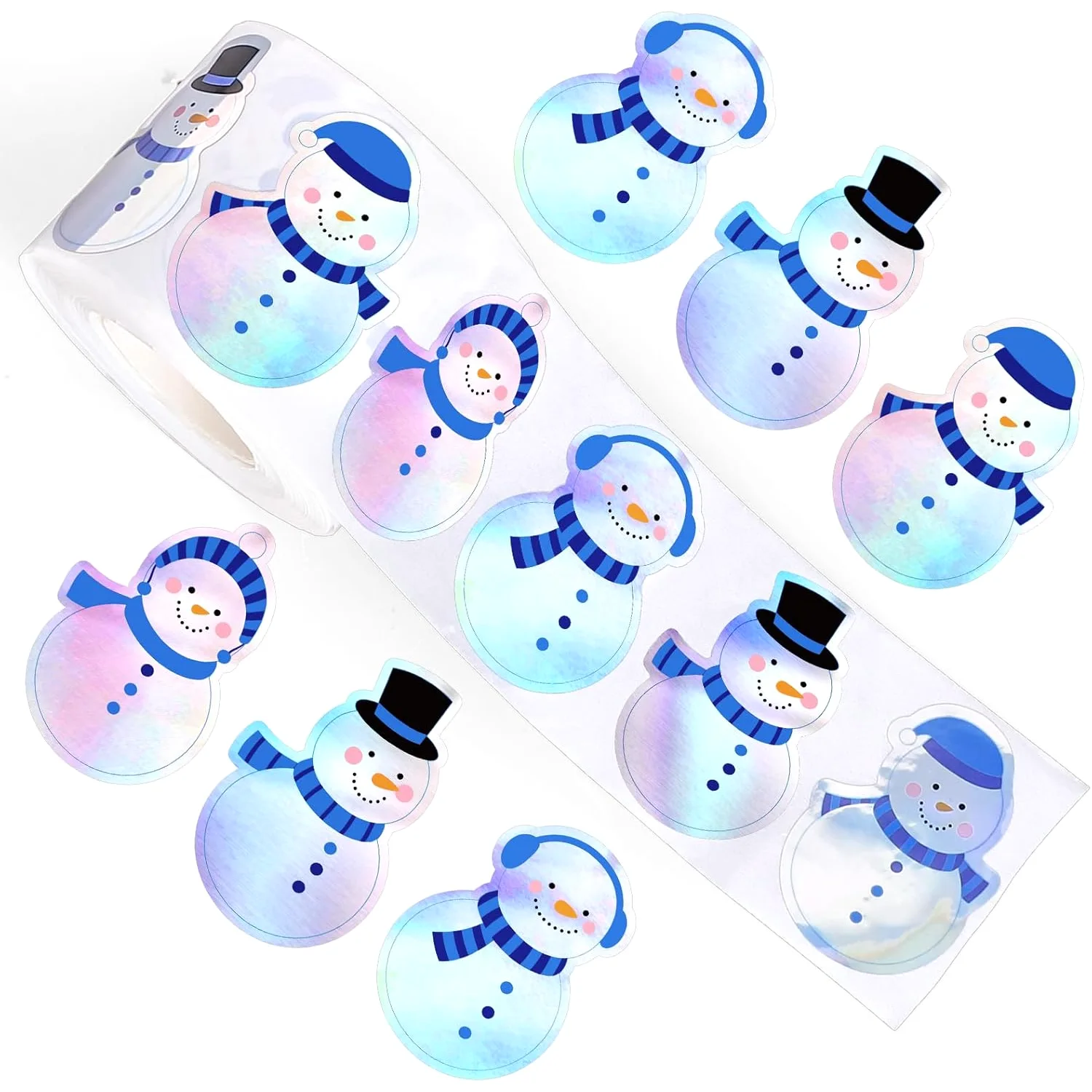

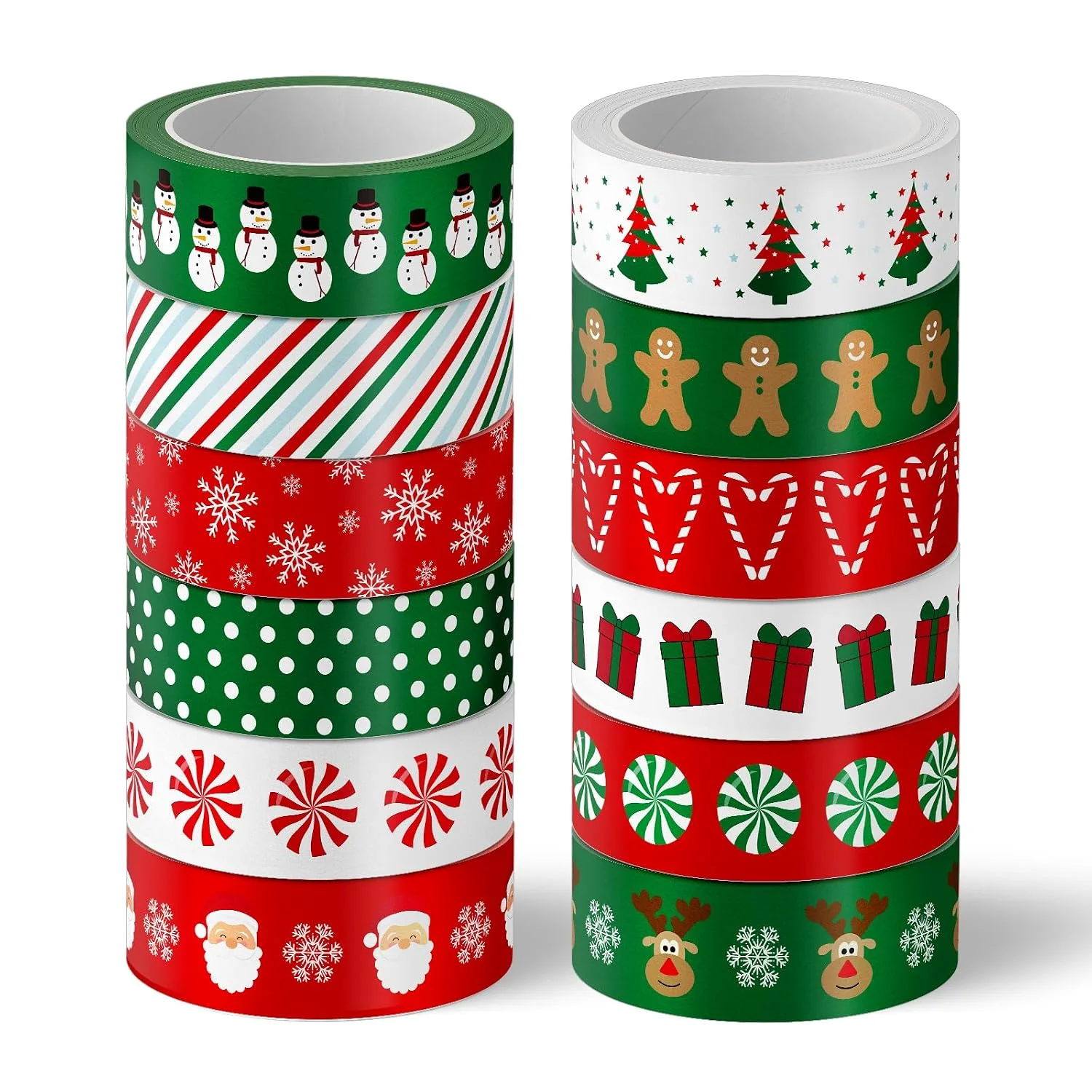

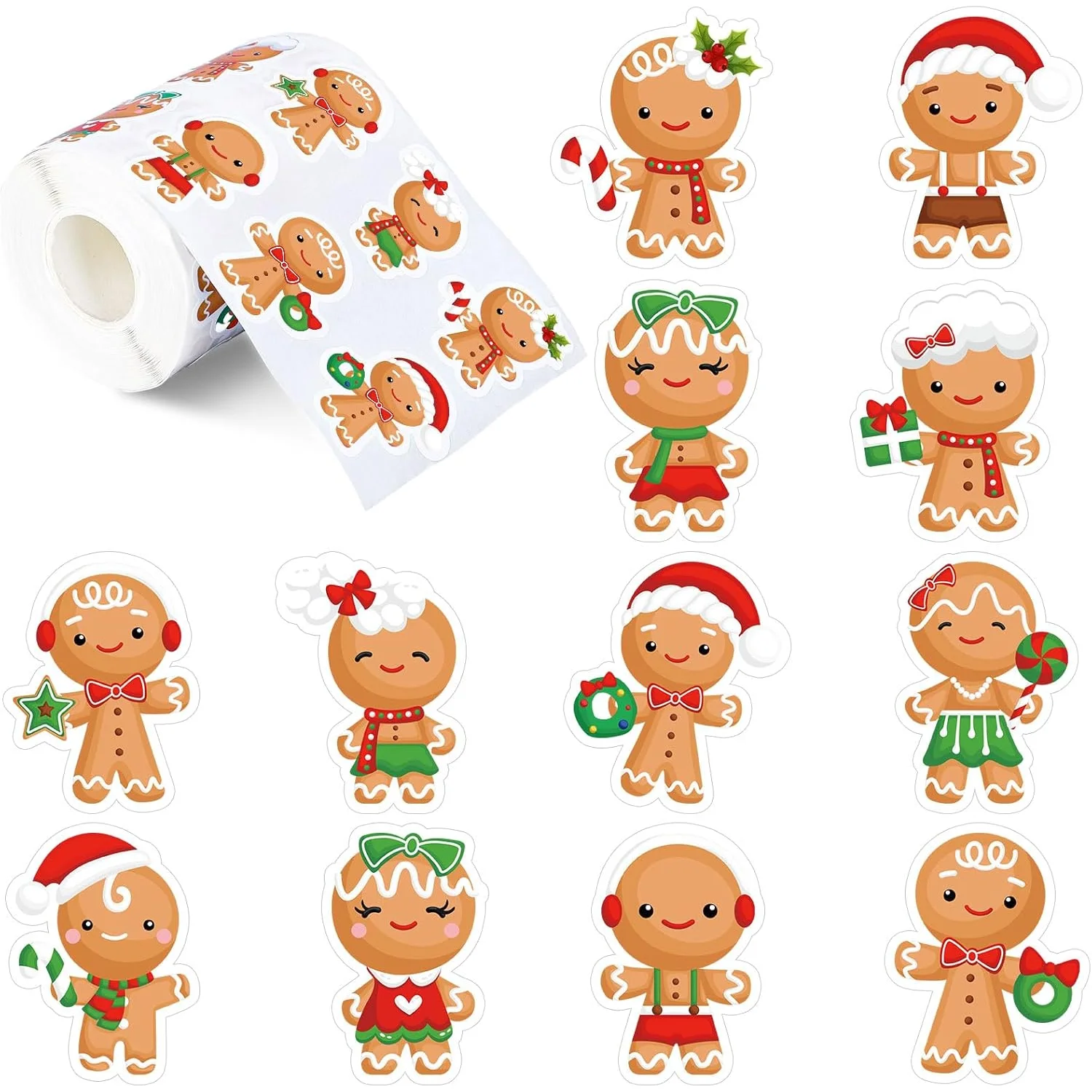

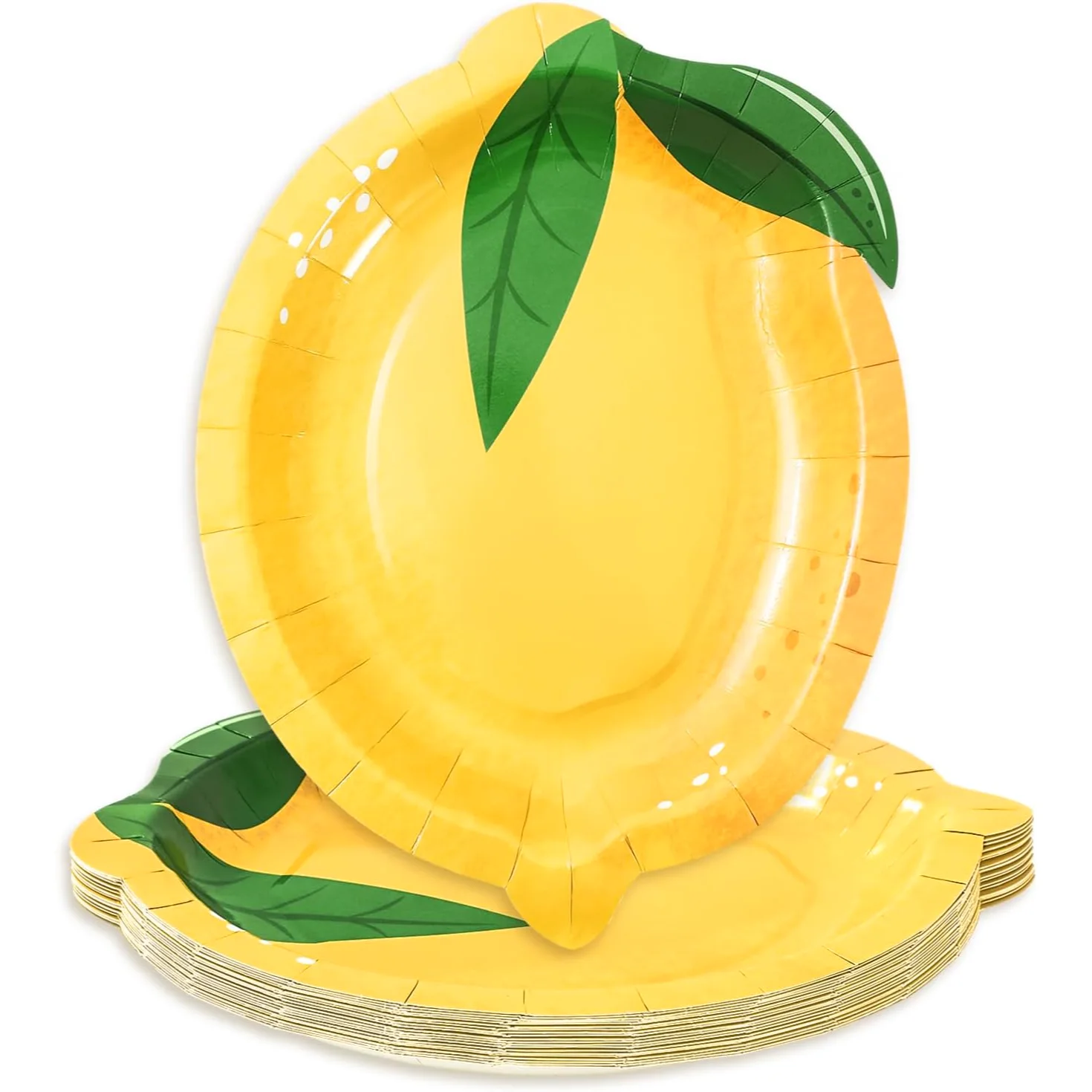
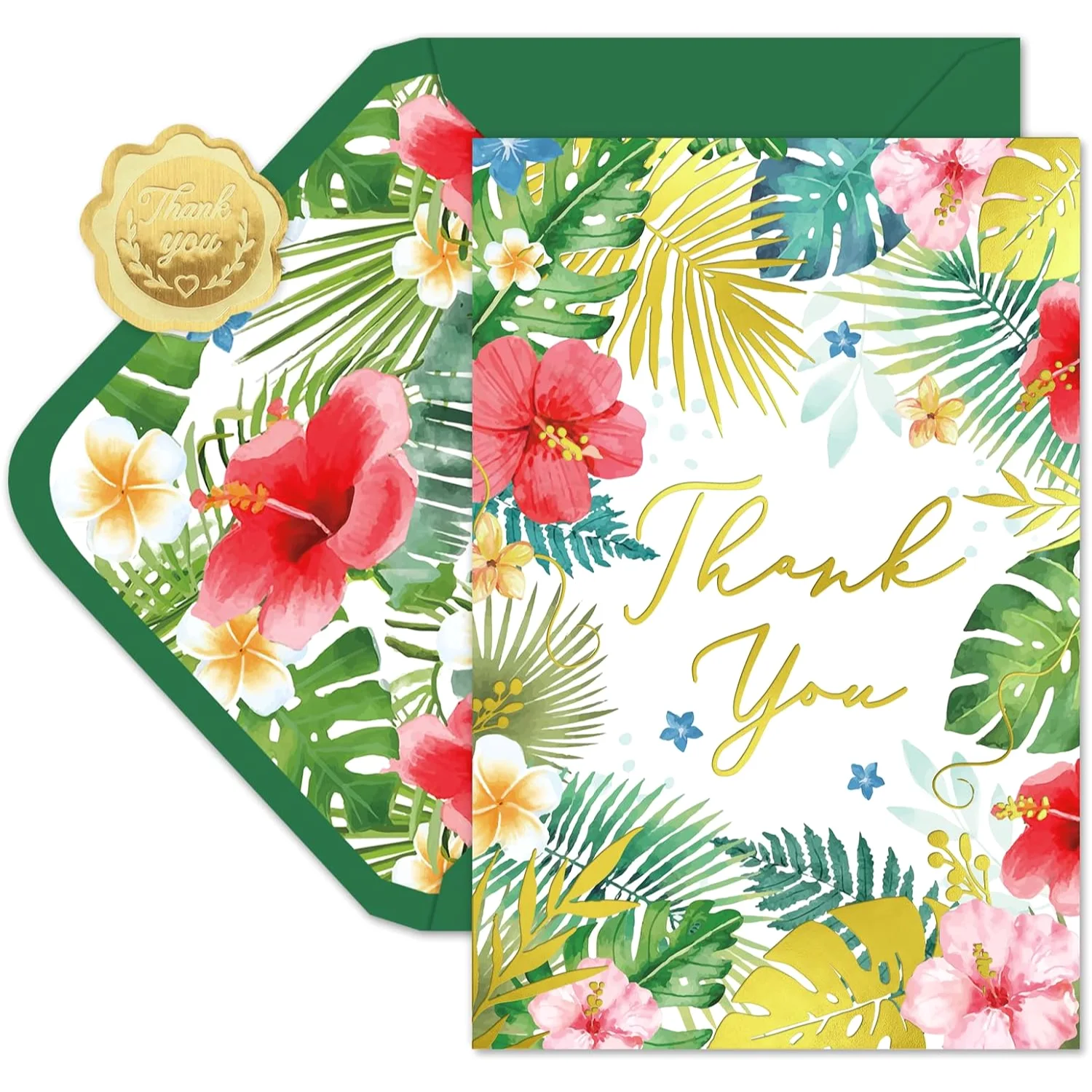
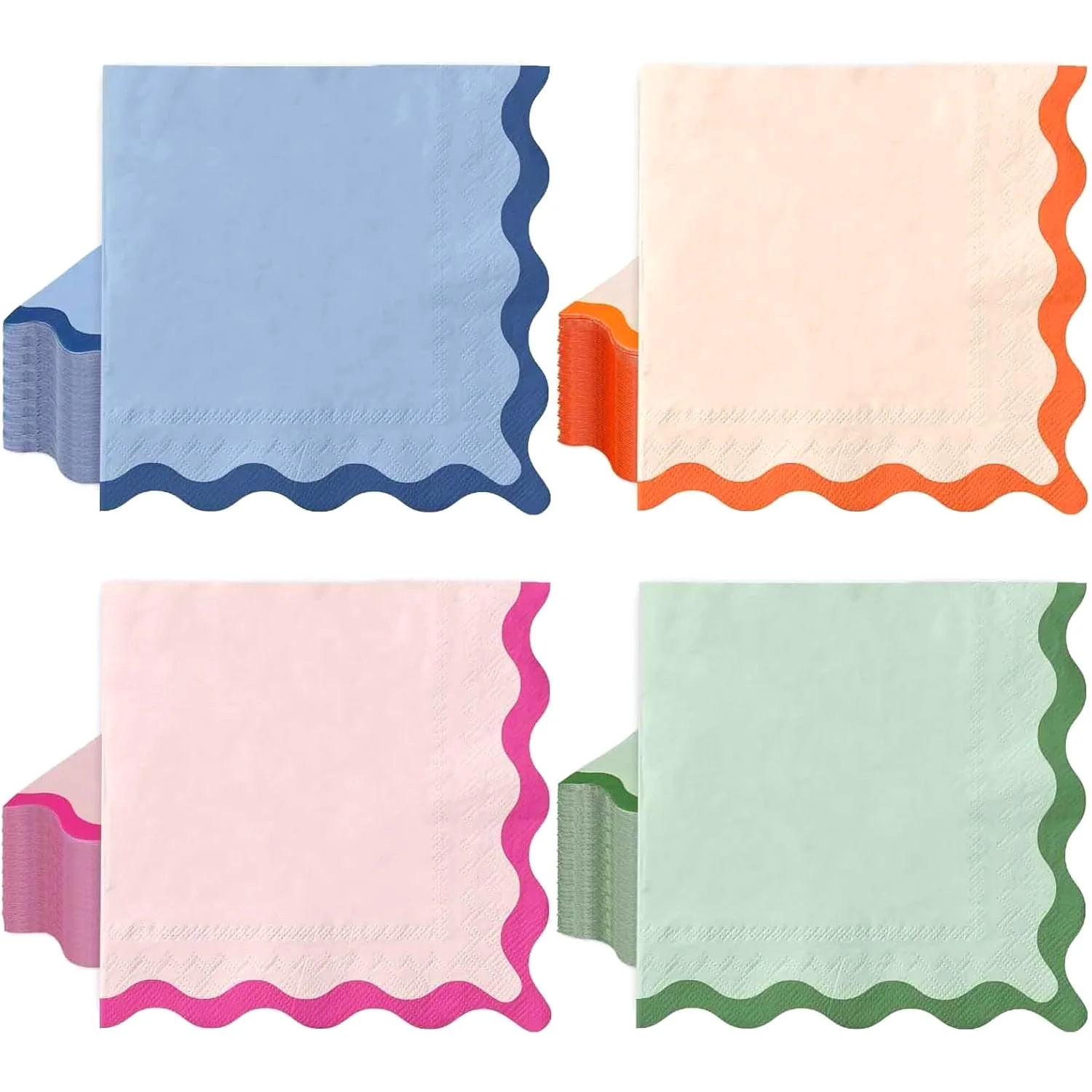
Beads, buttons, googly eyes and wax seal kits share one federal rule, and it is worth two minutes before a classroom or a toddler gets involved.
US rules draw the line at age three. A product intended for children under three may not contain small parts at all, and a small part is defined mechanically: anything that fits entirely into a test cylinder about 2.25 by 1.25 inches, roughly the throat of a small child. Craft components like beads, sequins, pom-poms and the eyes that go on sock puppets fit that cylinder by design, so they carry an age warning rather than an under-three label.
The practical reading for a parent or a teacher: the warning on a craft pack is not a formality about skill level, it is a choking-hazard line. For mixed-age settings the sane rule is that the youngest child in the room sets the material list, and the glitter glue waits until the toddler naps.
None of this is a safety certificate from us, and this site does not sell anything as a toy. Where a product states an age recommendation, the product page prints it as stated.
The post office measures envelopes with a machine's patience, and two of its rules catch greeting-card senders every year.
A letter mails at letter price when it is between 3.5 by 5 inches and 6.125 by 11.5 inches, and no thicker than a quarter inch. Every folded card and envelope in this catalogue sits inside that window, which is not an accident.
The first catch is the square envelope: machines read aspect ratio, a square fails it, and a square envelope pays a nonmachinable surcharge regardless of size or weight. The second is thickness: a card stuffed with confetti or a flat magnet crosses the quarter-inch line and stops being a letter at all. Wax seals, for what it is worth, generally ride through modern sorting fine on domestic mail, but a seal plus a rigid insert is asking for hand-cancelling.
The cheap habit that avoids all of it: one ordinary rectangular envelope size for the year's correspondence, bought once, and the decorative energy spent inside the card instead of on its silhouette.
The same twenty guests need different tableware depending on whether they sit. The difference is not small, and it runs in opposite directions for plates and napkins.
A sit-down meal is one plate per guest per course, napkins at one per seat plus a cake round, and one cup that stays with its owner because it stays at a place setting. That is the cheap format in tableware and the expensive one in chairs.
A buffet doubles plates, because plates get abandoned at the serving table and fresh ones taken; it raises cups by half again, because a cup put down anonymously is a cup replaced; and it wants small plates alongside dinner ones, because half the guests graze rather than dine. Napkins go everywhere people stand, not just where they sit: a stack at the buffet, a stack at the drinks, a stack near the cake.
Table covers are counted last and torn first: one per table plus one spare for the table that hosts the paint, the juice or the piñata fallout. The spare is the difference between an incident and a story.

Prices are refreshed on a schedule and every one carries the date of its last update; today that date is 2026-09-14. Ratings across a 1,118-product catalogue are re-read in batches, so a product without stars is one whose batch has not come round yet, never one wearing a stale figure.
Review families are counted once: pack sizes of the same product share one aggregate, and adding them up per pack size would count the same customers several times over.
Nothing here is a toy or carries a safety certificate from us. Where a craft product contains small parts, the ages guide points at the CPSC rule instead of waving it away. And removable adhesive is called removable from sound paint, not from every wall in every state of repair.
We do not publish a factory list, and we are not going to invent a workshop for the sake of a better paragraph.
US Consumer Product Safety Commission: Small Parts and Choking Hazard Labeling FAQs. Products meant for children under three may not contain small parts at all, and a small part is anything that fits entirely into the test cylinder of 16 CFR 1501, about 2.25 by 1.25 inches. Craft kits with beads, buttons and googly eyes sit right on that line, and the ages block above is written around it.
US Postal Service, Business Mail 101: Sizes for Letters. A letter mails at letter price between 3.5 by 5 inches and 6.125 by 11.5 inches, up to a quarter inch thick, and a square envelope pays a nonmachinable surcharge no matter how pretty it is. The card-mailing block quotes these figures directly.
Both were opened and read on 2026-08-02, before the sentences that cite them were written.
No adhesive, no marks: static clings hold by contact and come off clean. Store them flat on their backing sheet and they go back up next season. The one surface that defeats them is textured or tinted film-coated glass, where the contact is too patchy to hold.
On sound paint, removed slowly and flat, no. On flaking paint, paint under thirty days old, or wallpaper, any adhesive is a gamble. The taking-it-down guide on the front page covers the technique that spares most walls.
Up to about 200 gsm, usually yes through the rear feed, one sheet at a time. Above that, check the printer manual before buying a stack. Glitter and foiled sheets stay out of printers entirely: decorate after printing, not before.
Craft components are small parts by the federal definition, and that is what the age warnings on the packs are about. For children under three the rule is simple: no small parts at all. The ages guide on this page explains the actual regulation instead of hand-waving it.
Napkins at two and a half per guest, plates at two per guest with dessert, cups at one and a half. The party calculator does the arithmetic in real pack sizes, including the buffet correction where everything runs higher.
A catalogue of a thousand products has its ratings re-read in batches. No stars means the batch has not come round yet, not that the product has no customers. What is never shown is a stale figure dressed up as a fresh one.
It is the figure from our last update, and prices move between updates. The button on each product opens the current one, which is the only price that counts.
Not here. This site is the catalogue and the guides behind it, and every buy button opens the checkout for that product, where payment, delivery and returns are handled. The disclosure page sets out how the site is funded.